Financial risk checks are usually discussed as a compliance obligation: a rule arrives, a process is built, a box is ticked. The UK Gambling Commission framed them differently at the International Association of Gaming Regulators (IAGR) conference in October 2026. In her keynote, Acting Chief Executive Sarah Gardner described financial risk assessments (FRAs) as a way of “using technology and data to reduce friction for those who don't need it”.
That framing matters for operators. A targeted check only reduces friction if the rest of the stack knows who is being checked, what the status is and what is allowed while the check is open. Otherwise the assessment exists in a compliance tool while CRM, the cashier and support keep acting as if nothing has changed.
What the Commission said about FRAs
According to the published text of the keynote, delivered on 20 October 2026:
- The Commission's Board decided in July to implement financial risk assessments. The full consultation response is planned for this autumn.
- FRAs give gambling businesses access to limited credit reference data for the first time. The assessments will not affect a customer's credit rating, and the data cannot be used for commercial reasons.
- Less than 3 per cent of customer accounts would need an assessment when fully implemented.
- The Commission pointed to evidence that high-spending gambling customers are between two and four times more likely to have a debt management plan, and between two and five times more likely to have had a default in the previous 12 months, than the wider population.
The scope is the important part. A check that touches a small minority of accounts is not a site-wide gate. It is a state that applies to specific players at specific moments, and every system that acts on those players needs to respect it.
Why a targeted check is an architecture problem
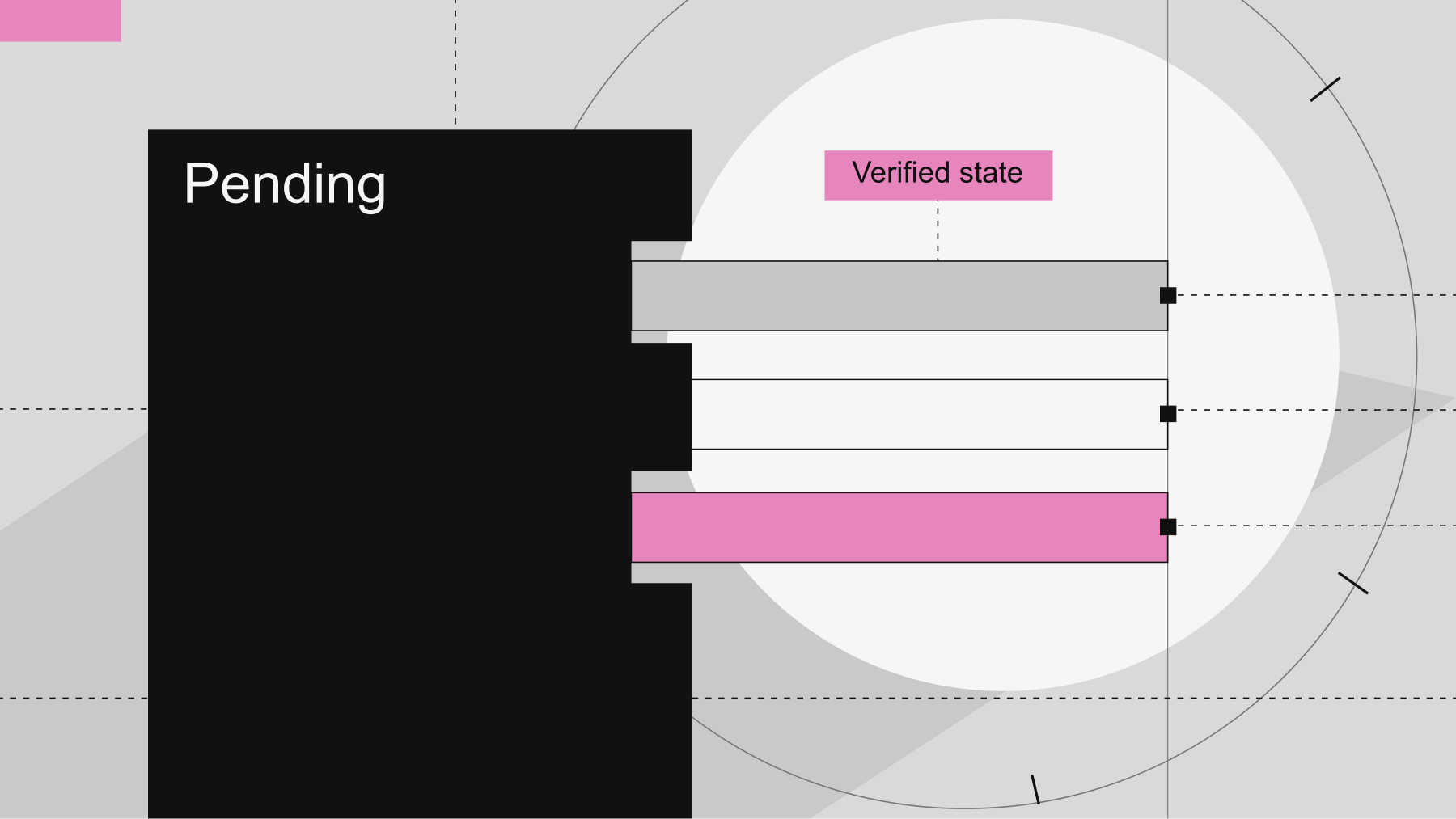
Most operator stacks were not designed around a player-level status that can open, stay pending and resolve in either direction. The typical gaps are familiar:
- Status lives in one system. The compliance or KYC tool knows an assessment is open. The CRM segment built yesterday does not.
- Campaigns are evaluated at segment build time. A promotional message scheduled for tomorrow was eligible when the audience was assembled, and nobody re-checks it before sending.
- Support sees a question, not a context. An agent answering a deposit or withdrawal query may not know a check is in progress, and may promise something the process cannot deliver.
- Resolution is not propagated. When the assessment closes with no concern, the player should return to a normal journey without repeated requests. If the closed status never reaches the systems that added friction, the friction stays.
The result is the opposite of what the Commission described: unnecessary friction for players who passed, and commercial actions reaching players while a check is still open.
Four things to verify before FRAs are live
1. Trigger
Which signals open an assessment, and where is that status stored? The trigger logic belongs to compliance, but the resulting status has to be readable by every system that can act on the player, with a clear owner and timestamp.
2. State sync
Can CRM, the cashier, support and any in-session decision layer read the same status at the moment they act? A nightly sync is not enough when a campaign, a bonus offer or a support reply can happen within minutes of the status changing.
3. Suppression
What is blocked while an assessment is open? Promotional actions are the obvious candidate, but the rule should be explicit, versioned and checked at the moment of action, not only when an audience is built.
4. Friction for everyone else
If fewer than 3 per cent of accounts need an assessment, the other accounts should not inherit the friction. That means measuring it: repeat document requests, support contacts about verification and journeys interrupted without an open check.
Eligibility is a decision at the moment of action
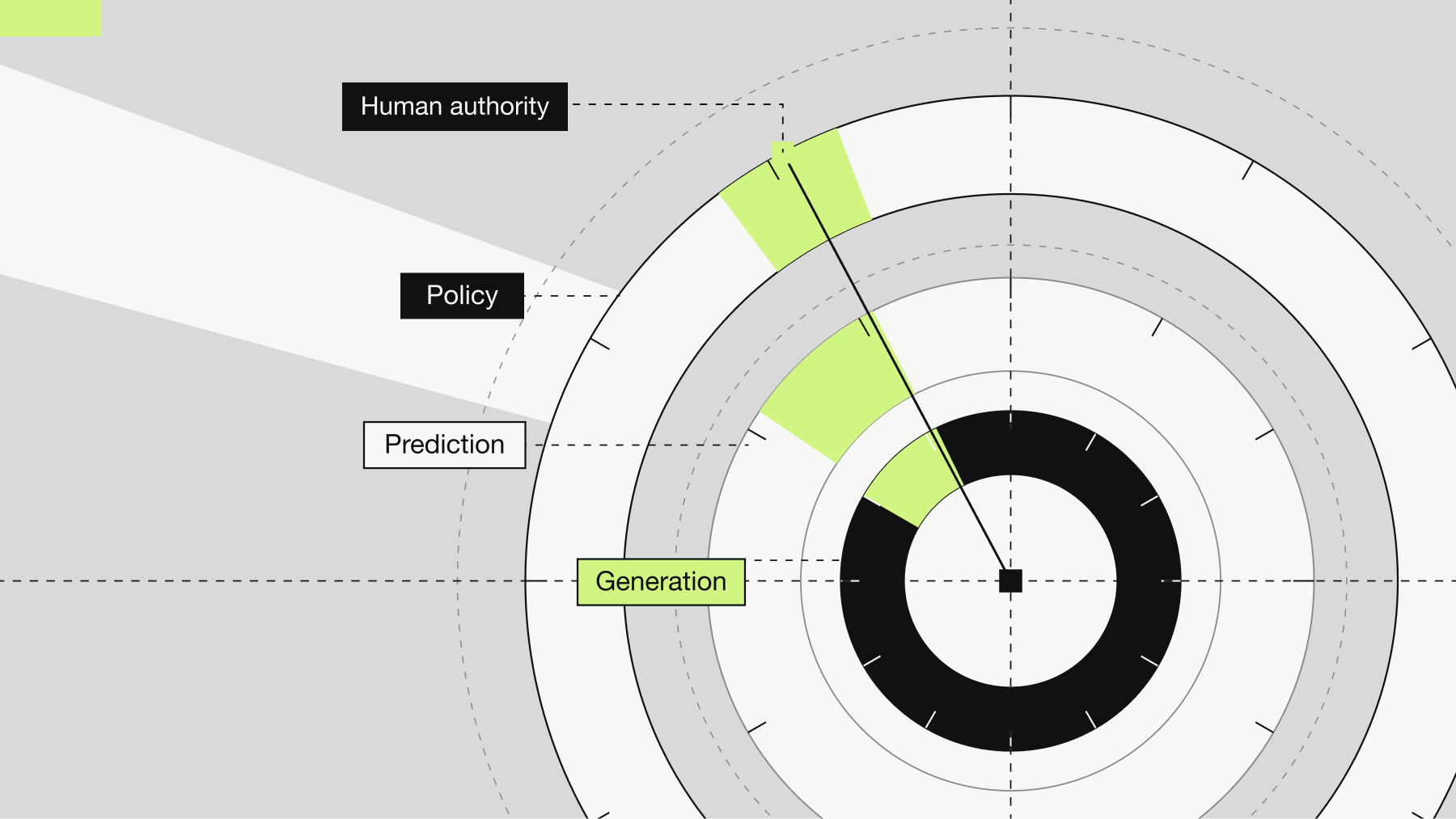
The general pattern is the same one we described for real-time trigger architecture: Event → State → Eligibility → Decision → Execution → Outcome. A financial risk assessment is a state change. It should update the live player state, remove actions that are no longer allowed and leave a record of why an action was suppressed.
In practice, a planned promotion for a player with an open assessment can lead to several valid outcomes:
- Assessment open, no result yet: pause the promotion. No retention action is needed until the status is known.
- Assessment closed, no concern found: return the player to normal eligibility without extra requests.
- Responsible gambling or financial vulnerability signals present: the protected flow takes precedence over commercial decisioning, and the offer is not sent.
- Systems disagree on the status: stop the automated action and route the case to a person.
Two of these four outcomes are “send nothing”. As in our guide to session recovery, no action is a designed result, logged with a reason code, not a gap in the journey.
Where Slotsense fits
Slotsense does not replace the operator's compliance tooling, KYC provider or CRM. Those systems own the assessment, the customer record and the campaigns. Slotsense works as an in-session decision layer on top of the existing stack: it reads the current player state, applies eligibility and guardrails at the moment of action, can choose no action with a reason code and returns the outcome so it can be measured.
The test
A targeted check is only as targeted as the systems around it. Before FRAs go live, it is worth asking one question across CRM, cashier, support and in-session decisioning: if an assessment opened five minutes ago, would each of them know, and what would each of them do?
Source: UK Gambling Commission, IAGR 2026 Conference keynote – Sarah Gardner speech, published 21 October 2026. This article is not legal advice.